 SWS
How to Find the Source of Air and Water Leaks and Stop More Damage
Drafts and leaks around sliding doors and windows usually mean air or water is getting past worn seals, bad tracks, small frame gaps, or drainage problems. The fix depends on where the leak starts. Some issues are simple, like dirty tracks or old weatherstripping. Others need sliding door repair when the frame, rollers, or glass unit no longer seals well. If you feel cold air, see water, or hear whistling during wind in Spartanburg, SC, it is smart to check the problem early before it gets worse.
Quick Diagnosis Summary
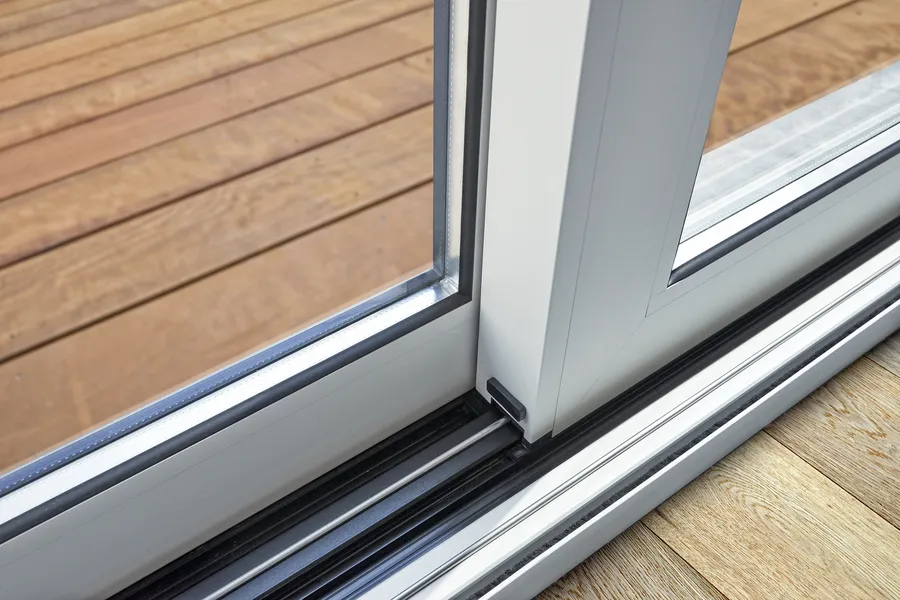
A draft often points to a broken seal, poor alignment, or a gap in the frame. A water leak may come from clogged weep holes, failed caulk, cracked trim, or worn sliding panels that do not close tight. Sliding systems work best when the moving panel sits square and the weather seal stays firm. If one small part wears out, air and water can slip inside.
Common Symptoms
Many homes show the same warning signs before a leak becomes serious. Some signs are easy to spot. Others show up slowly over time. Catching them early can help limit damage to floors, walls, and trim.
- Cold air near the door or window edge
- Water on the track after rain
- Fog or moisture near the frame
- Soft drywall or trim below the opening
- A sliding panel that sticks or will not latch well
- Whistling sounds when wind blows
- Higher heating or cooling bills
Likely Causes
Leaks and drafts can start for many reasons. Old weatherstripping is one of the most common. It can flatten, tear, or pull away from the frame. Tracks can also fill with dirt and stop the panel from closing all the way. In some cases, the rollers wear down, which makes the panel tilt. That creates a gap you may not notice at first.
Water leaks often happen when drainage paths get blocked. Many sliding units have weep holes that let water drain out. If those holes clog with dust, bugs, or debris, water may back up and spill inside. Cracked exterior caulk is another common cause. Once the outer seal breaks, rain can work its way around the frame.
Sometimes the issue goes beyond basic upkeep. A warped frame, failed insulated glass unit, or poor past installation can lead to ongoing air and water problems. In these cases, simple patch jobs may not last long. A service category keyword can include broader door and window work when more than one part of the opening is failing.
What to Check First
Start with a careful inspection before making repairs. A few simple checks can point you in the right direction. Pick a dry day for air leak checks and a rainy day, if possible, for water leak clues.
- Close and lock the sliding panel and look for visible gaps.
- Run your hand around the frame to feel for moving air.
- Check weatherstripping for cracks, flattening, or loose pieces.
- Inspect the track for dirt, leaves, hair, or other buildup.
- Look for standing water in the bottom track.
- Find the weep holes and see if they are blocked.
- Check exterior caulk for splits or missing sections.
- Look at the rollers and latch if the door does not sit square.
Safe Fixes Vs Pro-Level Fixes
Some repairs are safe for a homeowner. Cleaning the track, opening clogged weep holes, and replacing basic weatherstripping are often good first steps. Adding fresh caulk around the outside trim can also help if the old bead is cracked and loose. These jobs are low risk when done with the right materials and care.
Other problems need more skill and the right tools. If the panel is heavy, the rollers are damaged, or the frame has shifted, sliding door repair is usually the better path. A pro may need to remove the panel, reset hardware, replace rollers, adjust the lock, or repair the frame itself. Water that has reached the wall or floor may also need a deeper check for hidden damage.
Window leaks can be similar. If a sash does not close right or the frame has separated from the wall, a simple tube of caulk will not solve the root issue. If water keeps coming back after basic fixes, it is time for a closer inspection.
Prevention Tips
Regular care can help stop new drafts and leaks. It also helps sliding parts last longer. Small habits make a big difference, especially before storm season or colder months.
- Vacuum the track often to remove grit and debris
- Wipe seals clean so they can sit flat
- Check weep holes every few months
- Replace worn weatherstripping before it fails fully
- Watch for peeling caulk outside the frame
- Do not slam the sliding panel, which can affect alignment
- Test the lock to make sure the panel closes tight
When to Call a Professional
You should call for help if the leak keeps coming back, the panel is hard to move, or the frame feels loose. It is also smart to get help if water has stained flooring, trim, or nearby drywall. Those signs can point to a deeper issue behind the visible opening. Fast care can help prevent mold, rot, and more costly repairs later.
A trained team can spot whether the trouble is from rollers, seals, drainage, glass, or installation errors. That saves time and helps avoid trial-and-error fixes that may not hold through the next storm.
Get Help Before a Small Leak Turns Into Bigger Damage
If drafts or leaks are affecting your home in Spartanburg, SC, contact us for a careful inspection. At SWS, we handle sliding door repair and related issues with clear next steps and honest guidance. Call us at (864) 413-7435 to set up service and let our team help protect your doors, windows, and nearby living spaces.