 SWS
What a Professional Service Usually Includes From Start to Finish
The steps involved in a professional window installation service usually include an inspection, careful measuring, removal of the old unit, prep of the opening, fitting the new window, sealing, insulation, testing, and cleanup. If you want safe, lasting results, it helps to know what happens at each stage. This makes it easier to ask good questions, spot quality work, and feel ready before the crew arrives at your home in Spartanburg, SC.
What You Need Before Starting
Before any window installation begins, a few things should be in place. The installer needs the right window size, the right style for the home, and a clear work area. Homeowners also need to decide if they want full replacement windows or insert windows. That choice can change the labor, time, and final result.
It also helps to check for issues around the opening. Rotten wood, old caulk, water stains, and drafts can point to hidden damage. If the wall has damage, the crew may need to fix that before putting in the new unit. This step matters because even a good window can fail if the frame around it is weak.
The service category keyword may be broad, but in real jobs, planning is never skipped. Good prep helps the whole project go smoother.
Step-by-Step Process
Most professional teams follow a clear process. The exact order may vary a little, but the main steps stay about the same.
- Inspect the old window and surrounding frame for damage.
- Measure the opening more than once for a proper fit.
- Protect floors, trim, and nearby furniture before work starts.
- Remove the old window with care to avoid wall damage.
- Clean the opening and remove old sealant, nails, and debris.
- Repair any damaged wood or framing if needed.
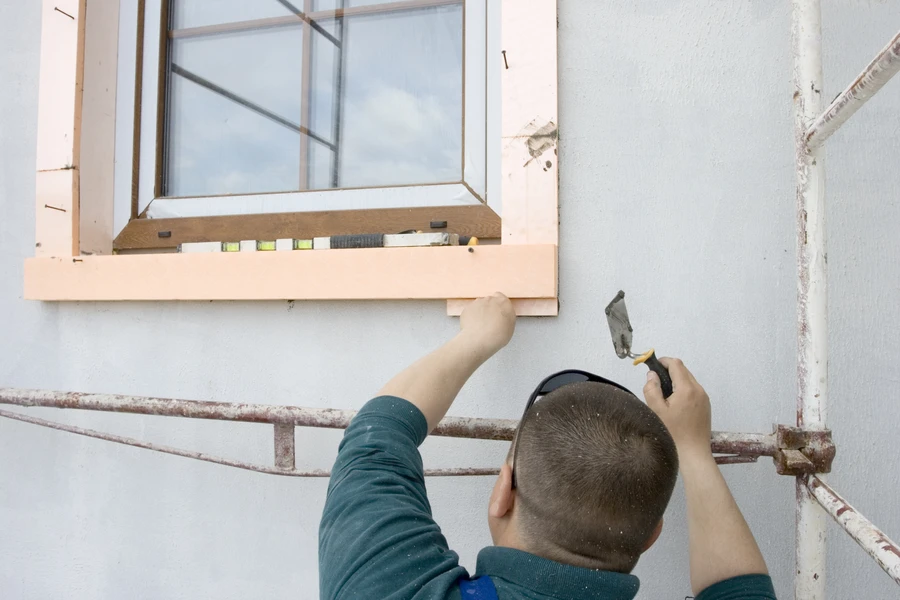
- Set the new window in place and check that it is level.
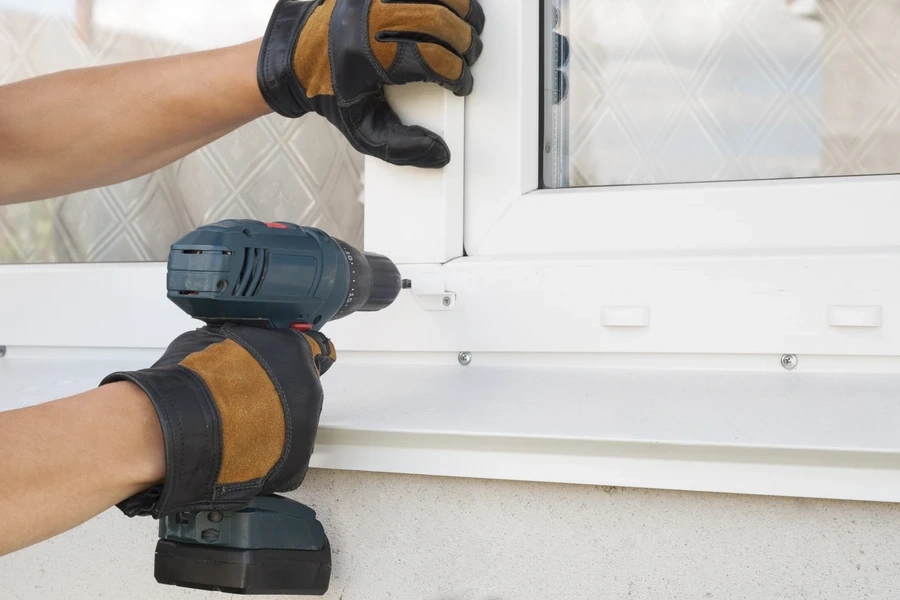
- Secure the unit with the right fasteners.
- Add insulation around the frame to help block air leaks.
- Seal the edges with caulk to keep out water and drafts.
- Test the sash, locks, and movement of the new window.
- Clean up the area and haul away old materials.
During window installation, the leveling step is a big one. If a window is not level, it may stick, leak, or wear out faster. A properly set unit should open and close with little effort. The locks should line up well, and the frame should sit tight without gaps.
Another major part is insulation and sealing. Foam insulation around the frame helps reduce drafts. Exterior caulk helps stop rain from getting in. Both steps work together to protect the home.
Common Mistakes to Avoid
Many problems come from skipped steps or rushed work. One common mistake is using wrong measurements. Even a small error can leave gaps or make the window too tight. Another mistake is failing to check the rough opening for damage before placing the new unit.
Bad sealing is another issue. Too little sealant can let in water. Too much can look messy and may not fix the real gap. Poor insulation can also lead to drafts and higher energy use.
Some crews also skip small checks at the end. They may not test the lock, inspect the trim, or verify smooth operation. These details matter because they affect daily use long after the job is done.
- Do not assume all openings are square.
- Do not install over damaged framing.
- Do not skip insulation around the frame.
- Do not leave old debris in the opening.
- Do not ignore water signs near the sill.
When to Call a Professional
Some homeowners think replacing one window will be a simple weekend project. In a few cases, that may be true. But many jobs are harder than they seem. Older homes may have hidden rot, uneven framing, or layers of past repairs. Large windows can also be heavy and hard to handle safely.
You should call a professional if the old frame has water damage, the wall feels soft, the opening is not square, or the window is on an upper floor. A pro is also a smart choice if local code rules apply or if the product needs a valid installation record for warranty coverage.
Professional window installation can also save time. A trained crew often spots problems early and fixes them before they grow. That can help prevent leaks, drafts, and repeat repairs later.
Final Recommendation
If you are planning new windows, learn the process before the project starts. Ask how the team will measure, seal, insulate, and test each unit. Clear answers usually point to careful work. A good install is not just about putting glass in a hole. It is about making the window fit right, work right, and hold up through daily use and changing weather.
Get Help With Your Next Project
For homeowners in Spartanburg, SC, we can help explain what to expect before work begins. At SWS, we focus on clear steps, careful work, and clean results. If you’d like to talk through your window plans, call us at (864) 413-7435 and we will help you decide the next best step for your home.